Key Takeaways
- Veneers for crooked teeth can make mildly crooked, uneven, or misshapen teeth appear straighter, but they don’t actually move teeth into a new position.
- They’re best suited for minor cosmetic concerns, not significant bite problems.
- Veneers can also improve tooth color, shape, and symmetry as part of the same treatment.
- A comprehensive dental exam helps determine whether veneers or orthodontic treatment is the better fit for you.
How Veneers Work for Crooked Teeth
Maybe it’s a tooth that sits slightly rotated or a small gap that catches your eye every time you smile for a photo. When the issue is mild and mostly cosmetic, veneers for crooked teeth may be an option worth discussing with your dentist.
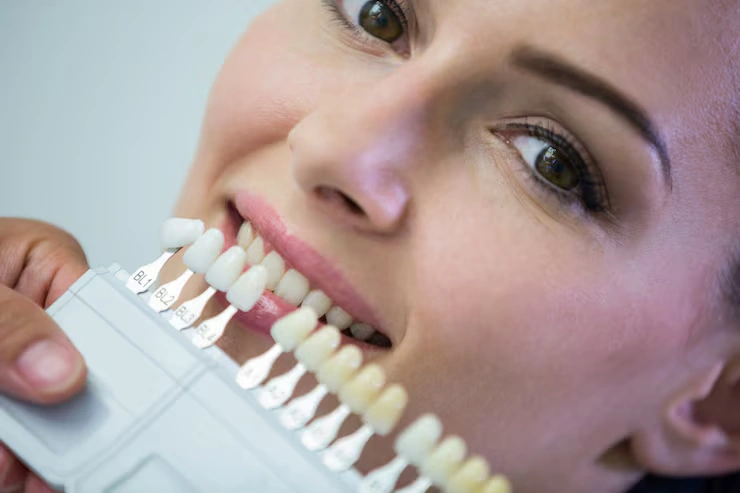
That’s because veneers do not actually straighten teeth. Instead, dental veneers are thin, custom-made shells that bond to the front of the teeth and can change how they look. By adjusting their shape, size, and appearance visually, veneers can make minor rotations, small gaps, and uneven edges less noticeable.
Of course, that does not mean veneers are right for every crooked tooth. At Le Sueur Family Dental, Dr. David Tycast first looks at factors such as your bite, tooth position, and enamel before recommending porcelain veneer treatment. Here’s a closer look.
When Are Veneers a Good Option for Crooked Teeth?
Generally speaking, veneers work best for minor alignment concerns when your teeth and gums are otherwise healthy. They may be a good option if you have:
- Slight tooth rotation
- Mild overlapping teeth
- Small gaps between teeth
- Teeth that appear crooked because of uneven size or shape
When Are Veneers Not the Right Choice?
Veneers can improve the look of mildly crooked teeth, but they’re not the right choice for every smile. If the alignment issue affects how your teeth fit together or your overall oral health, your dentist may recommend a different treatment that addresses the root problem rather than just its appearance.
You might be a better candidate for another treatment if you have:
- Moderate to severe crowding
- Overbite, underbite, or significant bite problems
- Active gum disease or untreated tooth decay
- Insufficient enamel for veneer placement
- Teeth that need orthodontic correction rather than cosmetic treatment
What Are the Benefits of Veneers for Crooked Teeth?
One of the biggest benefits of veneers is that they can address several cosmetic concerns at once. Beyond making teeth look straighter, each veneer is custom-made to improve color, shape, size, and overall balance, so instead of tackling one issue at a time, you can often improve multiple aspects of your smile in a single treatment.
Benefits of veneers for crooked teeth include:
- Creates the appearance of straighter teeth
- Improves tooth color, shape, and symmetry
- Resists staining better than natural enamel
- Provides natural-looking cosmetic results
- May require fewer appointments than orthodontic treatment
- Boosts confidence
The best results happen when veneers are recommended for the right reasons and carefully tailored to your individual smile.
How Are Veneers Placed?
Getting porcelain veneers for crooked teeth usually takes two or three appointments, and while every treatment plan is a little different, most patients find the process manageable and enjoy watching their new smile take shape along the way.
If dental veneers turn out to be the right choice for you, here’s roughly what to expect:
1. Consultation: Dr. Tycast begins by examining your teeth, gums, bite, and overall oral health to see if veneers make sense for you. He’ll also talk through your smile goals and give you a realistic idea of the results you can expect.
2. Tooth Preparation: If you decide to move forward, a thin layer of enamel is gently removed from the front of the teeth. This makes room for the veneers to sit naturally without looking or feeling bulky.
3. Digital Scans: Your teeth are digitally scanned, and those impressions are sent to a dental laboratory, where your veneers are custom-made to match the size, shape, and color of your natural teeth.
4. Placement: Once your veneers are ready, Dr. Tycast checks their fit, shape, and color before bonding them permanently. He’ll make any final adjustments to ensure your bite feels comfortable and your smile looks natural.
Veneers vs. Braces: Which Is Better?
Choosing between veneers and braces depends on what you’re hoping to achieve. If your goal is to improve the appearance of mildly crooked teeth, veneers can be an excellent cosmetic option. However, if your teeth need to be moved into a healthier position or your bite requires correction, orthodontic treatment is usually the better long-term choice.
Here’s how the two compare:
| Feature | Dental veneers | Braces/Clear Aligners |
| Best for | Mild cosmetic concerns | Moderate to severe crooked teeth |
| Moves teeth | No | Yes |
| Corrects bite | No | Yes |
| Treatment time | 2-3 visits | Several months to 2 years |
| Longevity | Typically 10-15 years | Long-term with retainer use |
Final Thoughts
For the right person, veneers for crooked teeth can be a great way to improve the look of a mildly uneven smile. That said, they’re not a substitute for orthodontic treatment when significant tooth movement or bite correction is needed.
Since every smile is different, the right treatment depends on your teeth, your bite, and your long-term oral health. A thorough dental examination is the best way to determine whether veneers are the right choice for you.
At Le Sueur Family Dental, our team brings a combined 112 years of experience to every treatment plan we create. So, if you are looking for the best dentist in Le Sueur, MN, look no further. Reach out to us at:
Phone: (507) 665-6812
Email: office@lesueurfamilydental.com
Address: 219 South 2nd Street, Le Sueur, MN 56068
FAQs
Veneer treatment is generally considered irreversible, since a thin layer of enamel is removed during preparation. While the veneers themselves aren’t meant to last forever, if one becomes worn or damaged over time, it’s typically replaced rather than simply removed.
A small amount of enamel is removed so veneers can fit naturally and comfortably. When carefully planned and placed, veneers are considered a safe, predictable cosmetic treatment that preserves as much healthy tooth structure as possible.
Yes. Once your veneers are permanently bonded, you can enjoy most of your favorite foods as usual. To help them last as long as possible, it’s best to avoid habits like chewing ice, biting your nails, or using your teeth to open packages.
With good oral hygiene and regular dental checkups, porcelain veneers often last 10–15 years or longer. Keeping up with routine dental care and avoiding habits like biting down on hard objects can help extend their lifespan.