Key Takeaways
- The first 48 to 72 hours after implant surgery are critical. Gauze pressure, cold compresses, rest, and avoiding rinsing or straws support healing and proper bonding with the jawbone.
- Brush daily with a soft-bristled toothbrush and floss gently around the implant. Antibacterial rinses and a water flosser also help keep the implant and gums clean.
- Eat soft foods during the first week and gradually return to your normal diet in the second week. Avoid chewing ice or very hard foods to protect the crown.
- Smoking, chewing hard objects, using your teeth as tools, skipping a nightguard, or missing follow-up visits can increase the risk of implant complications.
- Contact your dentist if you notice worsening pain, ongoing bleeding, a loose crown, persistent gum redness, or a bad taste or odor.
Your Guide to Dental Implant Care and Recovery
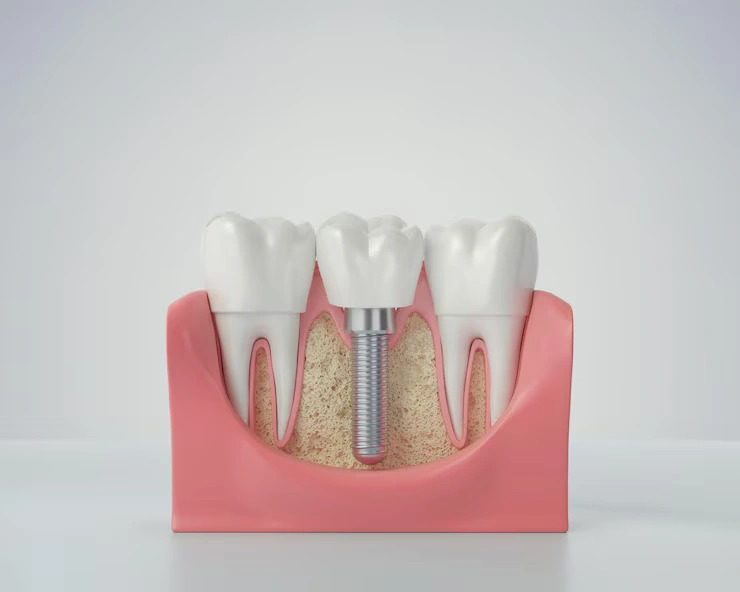
A new implant needs a little patience before it settles in. Underneath that new tooth, the titanium post is slowly bonding with the jawbone, a process that takes a few months, and what happens during that stretch has a discernible effect on how the implant holds up years later.
At Le Sueur Family Dental, we understand that you want to get back to your normal routine as soon as possible after the dental implant treatment, but to do that, you need to follow the right aftercare steps. Here is a closer look at how to care for dental implants at every stage.
How to Care for Dental Implants After Surgery
The first 48 to 72 hours after implant surgery matter the most, since this is when the surgical site begins to heal, and the implant begins bonding with the jawbone. Swelling and some discomfort are normal during this window and usually settle within a few days.
To support healing right after the procedure, our expert Dr. David Tycast recommends that patients:
- Bite gently on gauze for the first hour or two to help a blood clot form over the site.
- Apply a cold compress to the cheek in 15- to 20-minute intervals for the first day to help reduce swelling.
- Avoid rinsing or using a straw for at least 24 hours, since suction can dislodge the healing clot.
- Take pain medication as prescribed, and stick to the schedule even if the discomfort feels manageable.
- Rest for the remainder of the day and avoid strenuous activity for at least 48 to 72 hours.
How to Clean Dental Implants
Cleaning a dental implant is very close to cleaning a natural tooth, with a couple of adjustments to protect the healing gum tissue and the implant crown. Dental implant care and maintenance at home come down to these habits done consistently:
- Brush twice daily with a soft-bristled brush, angling the bristles toward the gumline where the implant meets the tissue.
- Floss once a day, using unwaxed floss or an implant-specific floss threader to clean gently around the base of the crown without snapping down on the gum.
- Rinse with an antibacterial or saltwater rinse, especially in the first two weeks, to reduce bacteria around the healing site.
- Consider a water flosser, which many patients find easier for reaching around the implant without irritating the gum tissue.
What to Eat After Getting Dental Implants
Diet plays a much bigger role in healing than most patients expect. For the first week or so, softer foods reduce pressure on the surgical site and lower the risk of irritation.
| Stage | Recommended Foods | Foods to Avoid |
| Days 1 to 3 | Smoothies, yogurt, mashed potatoes, broth | Hot foods, carbonated drinks, alcohol |
| Days 4 to 7 | Scrambled eggs, soft pasta, oatmeal, soup | Crunchy, spicy, or acidic foods |
| Week 2 onward | Gradually reintroduce normal diet | Nuts, hard candy, ice, chewy foods on the implant side |
Cold, soft foods in the first couple of days also help with swelling. Once the crown is fully placed and healed, most patients can eat normally, though very hard foods like ice or hard candy are worth avoiding indefinitely, not just during recovery, since implant crowns can chip under repeated pressure.
Habits to Avoid With Dental Implants
Some everyday habits put strain on an implant, and avoiding them matters both during healing and for the long term. Here’s what we recommend patients should avoid:
- Smoking, which slows healing and is one of the most common reasons implants fail to properly fuse with the bone.
- Chewing ice or hard objects like pen caps, which can chip the crown or loosen the abutment.
- Skipping the nightguard for patients who grind their teeth at night, since grinding puts uneven pressure on the implant.
- Using teeth as tools to open packaging or bite fingernails.
- Neglecting follow-up appointments, which are how a dentist catches small issues before they become bigger ones.
Signs Your Dental Implant May Need Attention
Most implants heal without complications, but it helps to know what is normal discomfort versus a sign that something needs a dentist’s attention.
Contact the dentist promptly if any of the following show up:
- Pain or swelling that worsens after the third or fourth day instead of improving
- Persistent bleeding beyond the first 24 hours
- The implant or crown feels loose or shifts when touched
- Gums around the implant look red, puffy, or feel tender to the touch weeks after placement
- A bad taste or odor that does not go away with rinsing
Catching these signs early is one of the most important parts of how to care for dental implants long-term, since minor issues like gum inflammation around an implant (peri-implant mucositis) are far easier to treat than the bone loss that can follow if it is left unaddressed.
Final Thoughts
A dental implant can easily last twenty years or more, but that outcome depends on the habits built in the first few months. Sticking to gentle oral hygiene, a softer diet while healing, and regular checkups is what separates a smooth recovery from one that runs into avoidable setbacks.
Dr. David Tycast and the team at Le Sueur Family Dental have built their approach around exactly this kind of steady, personalized aftercare, drawing on a combined 112 years of experience in the dental field.
Patients with questions about implant recovery, or anyone ready to schedule a consultation, can contact our dental clinic in Le Sueur, MN, at (507) 665-6812 or office@lesueurfamilydental.com. The office is located at 219 South 2nd Street, Le Sueur, MN 56058.
FAQs
Most people can get back to work within a day or two after getting a dental implant, especially if they have a desk job. If your work involves heavy lifting or physical activity, your dentist may recommend taking a few extra days off to give your mouth enough time to heal.
Once healed, an implant crown is made to match the color and shape of neighboring teeth, so it is typically not noticeable to others. Mild swelling may show for the first few days after surgery, but this fades quickly.
Attaching the final crown is simpler than the implant placement itself, with little to no downtime. Some patients notice slight tenderness for a day or two as the gum adjusts.
Failure after healing is uncommon but can happen from gum disease, grinding, or poor hygiene. Regular checkups help catch early warning signs before they progress to bone loss.
With consistent care, implants can last 20 years or longer, and many patients keep them for life. The crown on top may need replacement over time, but the titanium post is built to be permanent.