TL;DR
- Veneers before and after results are most dramatic for patients with severe staining, chips, uneven sizing, gaps or worn-down teeth that whitening and bonding cannot fix.
- Porcelain veneers before and after results are permanent in the sense that enamel preparation is irreversible. The decision to get veneers should not be taken lightly.
- Most patients complete the process in two visits. The transformation is visible as soon as the permanent veneers are placed.
- Candidacy depends on gum health, enamel availability, and bite alignment. Not every patient who wants veneers is immediately suitable.
What Veneers Before and After Results Actually Look Like
Veneers before and after images are among the most searched topics in cosmetic dentistry, and for good reason. Porcelain veneers produce some of the most consistent, visible smile changes of any single dental procedure, and the transformation is not subtle.
What drives this interest is usually a specific, long-standing concern. Most patients who visit Dr. David Tycast at Le Sueur Family Dental for a veneer consultation have spent months or even years dealing with issues like discoloration, chips, gaps or uneven teeth that haven’t responded to other treatments.
Understanding how veneers address each of these problems is key to knowing whether they’re right for you. In this guide, we’ll walk through the realistic results porcelain veneers deliver for common dental concerns, then explore the factors that determine whether you’re a good candidate for the procedure.
What Can Porcelain Veneers Fix? Common Before-and-After Scenarios
The best way to understand the before-and-after results of porcelain veneers is to look at the specific problems they are designed to address. Each scenario produces a visibly different transformation:
1. Severe Staining That Whitening Cannot Remove
Professional whitening works on surface stains and enamel discoloration, but it has no effect on intrinsic staining or discoloration that originates inside the tooth from tetracycline use, fluorosis or nerve damage.
Before veneers: Teeth appear grey, brown or patchy in ways that do not respond to bleaching.
After veneers: The porcelain shell covers the staining entirely, and the shade is chosen at the outset, making it consistent across all treated teeth.
2. Chipped or Worn Teeth
Chips from trauma and wear from bruxism (grinding) shorten teeth, blunt their edges, and give a smile an aged or jagged appearance.
Before veneers: The front teeth look shortened, asymmetrical or have irregular edges.
After veneers: Length and edge shape are restored and matched across the smile, producing a more even, youthful appearance.
This is one of the more immediate-looking before-and-after veneer transformations because the structural change is significant.
3. Gaps and Uneven Spacing
A diastema (gap between front teeth) or irregular spacing between multiple teeth can be closed with veneers without the months-long commitment of orthodontic treatment.
Before veneers: Visible gaps, particularly between the upper central incisors, interrupt the line of the smile.
After veneers: The veneers are sized to close the spaces while keeping the teeth proportionate to the face.
This approach works best when the gaps are moderate. Very wide spacing may still require alignment correction first.
4. Misshapen or Disproportionate Teeth
Some teeth are naturally too small, too narrow or irregularly shaped relative to surrounding teeth. Peg laterals (undersized lateral incisors) are one of the most common examples.
Before veneers: The affected teeth appear noticeably smaller or oddly shaped against adjacent teeth.
After veneers: The shape and proportions are normalized so every tooth in the smile zone follows a consistent, harmonious line.
5. Crooked Teeth (Minor Misalignment)
Veneers are not a replacement for orthodontic treatment when there is significant misalignment. However, in cases of mild crowding, slight rotations or uneven edges, they can improve the overall appearance of alignment.
Before veneers: Teeth may appear slightly crooked, rotated or uneven along the front surface.
After veneers: The porcelain is shaped to present an even front surface regardless of the tooth’s actual position. This is sometimes called a “porcelain orthodontics” effect, though the underlying tooth position does not change.
What Do Porcelain Veneers Before and After Results Look Like Over Time?
Porcelain veneers’ before-and-after results do not degrade the way many patients expect. Well-placed veneers maintain their color and shape for 10 to 15 years or longer with proper care, because porcelain does not absorb stains the way natural enamel does. The result visible on day one, after the permanent veneers are bonded, is essentially the result the patient keeps, provided they maintain oral hygiene and avoid habits that stress the veneers.
What does change over time:
- The gum line shifts slightly with age, which can eventually expose a thin line of the tooth root below the veneer margin.
- The surrounding untreated teeth may stain gradually if only select teeth were veneered, creating a visible contrast over the years.
- Veneers that are subject to heavy grinding forces will wear and chip faster; a night guard significantly extends lifespan.
When veneers do need replacement, the process is the same as the original placement: a new impression, a new lab-fabricated shell and rebonding. The teeth themselves do not require additional enamel reduction for the replacement.
Are You a Candidate for Veneers?
Not everyone who wants the results shown in dental veneers before-and-after photos is immediately a candidate. Dr. Tycast assesses three areas before proceeding:
- Enamel availability: Veneers require the removal of a thin layer of enamel (typically 0.5mm) from the front of the tooth. Teeth with very little remaining enamel, or those already heavily restored, may not have enough structure to support a veneer.
- Gum and periodontal health: Active gum disease must be treated before any cosmetic work. Inflamed or receding gums affect both the bonding environment and the long-term appearance of the veneer margin.
- Bite alignment and grinding: A deep bite or heavy bruxism places significant force on veneers and shortens their lifespan considerably. These factors require management, a night guard, occlusal adjustment or, in some cases, orthodontic treatment first, before veneers are placed.
Patients who are good candidates leave the consultation with a clear picture of how many teeth will be veneered, which shade they have selected, and a realistic timeline for two-visit completion.
The Veneer Process: From Before to After in Two Visits
Understanding the procedure makes the journey from before to after veneers less daunting. The process at Le Sueur Family Dental follows two appointments:
Visit 1: Preparation
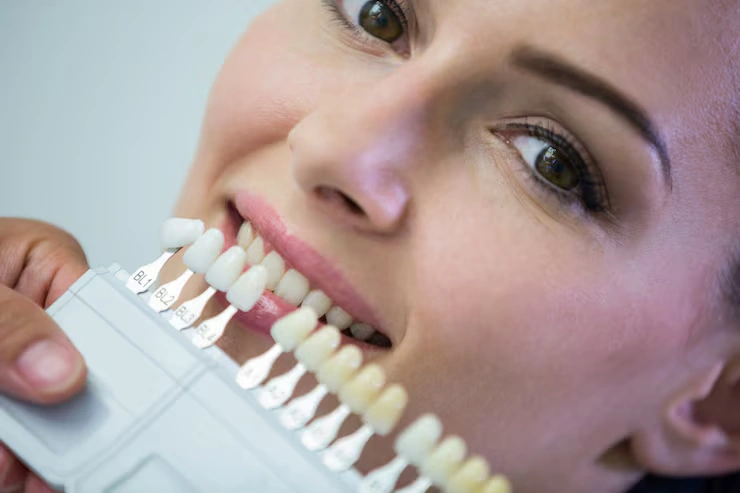
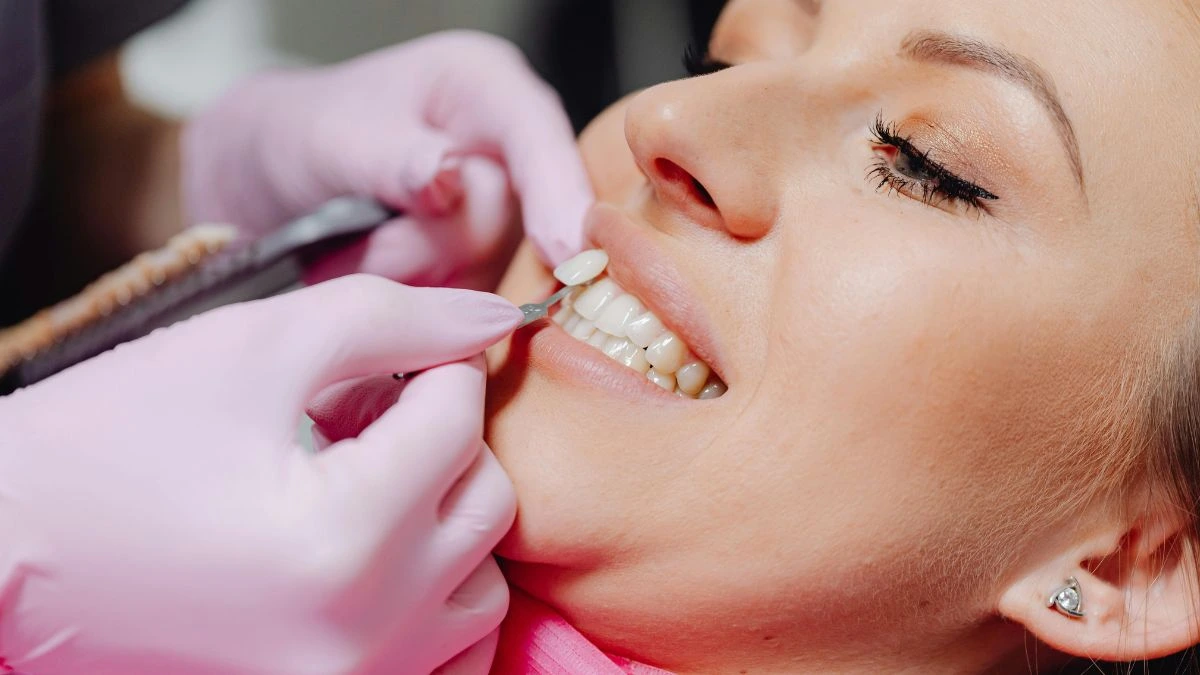
A thin layer of enamel is buffed from the front surface of each tooth to create space for the veneer. An impression or digital scan is taken and sent to the dental laboratory. A shade is selected together with Dr. Tycast. Temporary veneers protect the teeth while the permanent ones are fabricated. This typically takes 1 to 2 weeks.
Visit 2: Bonding
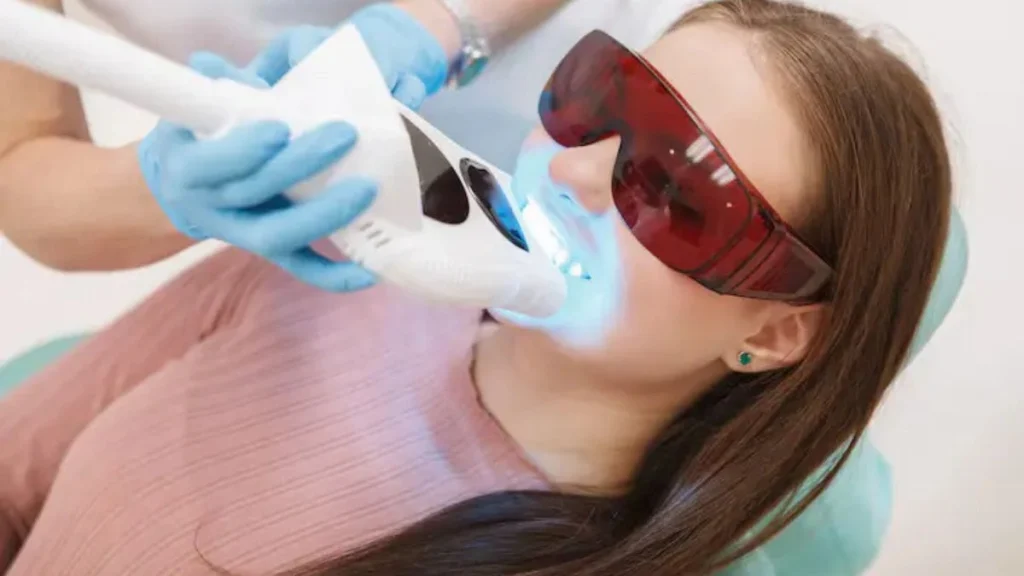
The teeth are cleaned with a conditioning agent to ensure strong adhesion. Bonding cement is applied between the tooth surface and the veneer. The veneer is then seated, and a curing light hardens the bond. Any final adjustments to bite and shape are made chairside before the patient leaves.
Little to no anesthesia is needed for the preparation visit in most cases. The transformation from “before” to “after” is visible immediately when the permanent veneers are placed at the second appointment.
Ready to See Your Own Before-and-After? Book a Veneer Consultation
The best way to understand whether the results of veneers before and after the procedure are realistic for your specific teeth is through an in-person evaluation. Photos show what is possible, while an examination shows what is appropriate for your enamel, bite and gum condition.
Dr. David Tycast at Le Sueur Family Dental walks through every option with patients directly, including whether veneers are the right solution or whether a combination of treatments would produce a better long-term outcome. To transform your smile with porcelain veneers, the consultation is the right starting point.
To book a consultation with our dentist in Le Sueur, MN, get in touch today:
Address: 219 South 2nd Street, Le Sueur, MN 56058
Phone: (507) 665-6812
Hours: Mon 8 am–6 pm | Tue 8 am–5 pm | Wed 7 am–6 pm | Thu 8 am–5 pm | Fri 7 am–12 pm
Frequently Asked Questions
Porcelain veneers typically last 10 to 15 years. With good oral hygiene, avoidance of grinding and regular checkups, many patients see results well beyond that range before replacement is needed.
Well-made veneers do not look fake. The shade, translucency and shape are chosen to match the patient’s face and surrounding teeth. The result should look like a naturally perfect smile, not an unnaturally white one.
Veneers can mask minor misalignment by reshaping the visible surface. For significant crowding or bite issues, orthodontic treatment is the more appropriate solution and may be recommended before veneers are placed.
The enamel reduction required to place veneers is permanent and irreversible. The veneers themselves are not and will eventually need replacement. This distinction matters when deciding whether veneers are right for you.
The preparation visit is performed with little to no anesthesia for most patients. Some temporary sensitivity to temperature is common while wearing the temporaries. Once permanent veneers are bonded, sensitivity typically resolves.